
Onsen & Aroma Therapy KIN
Onsen · Aroma Therapy · Mineral Bath · Essential Oil Massage
Relaxation · Pain Relief · Better Sleep · Radiant Skin
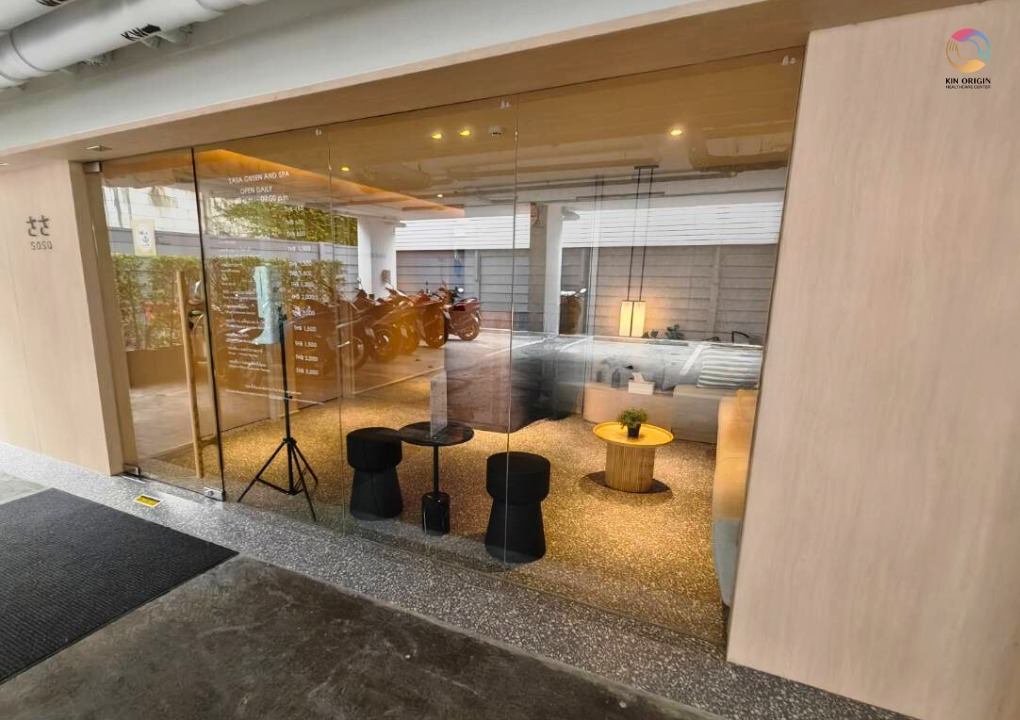
What Is Onsen?
Onsen means “hot spring” in Japanese. It refers to the long-standing Japanese tradition of soaking in warm mineral water. Japan has more than 27,000 hot-spring sources, and mineral-rich water has long been used in balneotherapy. When used for an appropriate duration, warm mineral bathing may support relaxation and overall well-being.
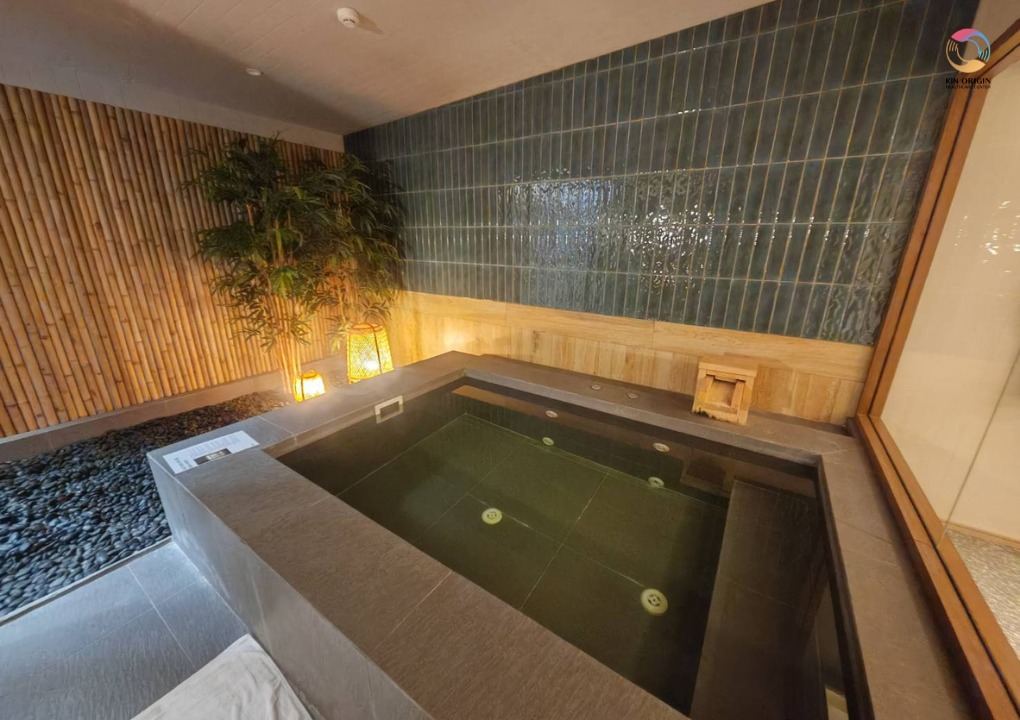
Benefits of Onsen Bathing
| Benefit | Details |
|---|---|
| 1. Supports Circulation | Warm water can dilate blood vessels, helping circulation deliver oxygen and nutrients throughout the body and support the removal of metabolic waste. |
| 2. Relaxes Muscles and Supports Better Sleep | Water at 39–42°C may help ease muscle tightness and soreness. Buoyancy reduces pressure on the joints and may help relieveOffice Syndrome and make it easier to enter deeper sleep. |
| 3. Helps Relieve Aches and Pain | Heat may reduce nerve sensitivity and help ease discomfort in the back, lower back, shoulders, and joints while improving the flexibility of tendons and connective tissue. |
| 4. Supports Smooth, Healthy-Looking Skin | Minerals such as silica may help the skin feel smoother, while sulfur is traditionally associated with skin care. People with eczema, psoriasis, or other skin conditions should consult a healthcare professional before use. |
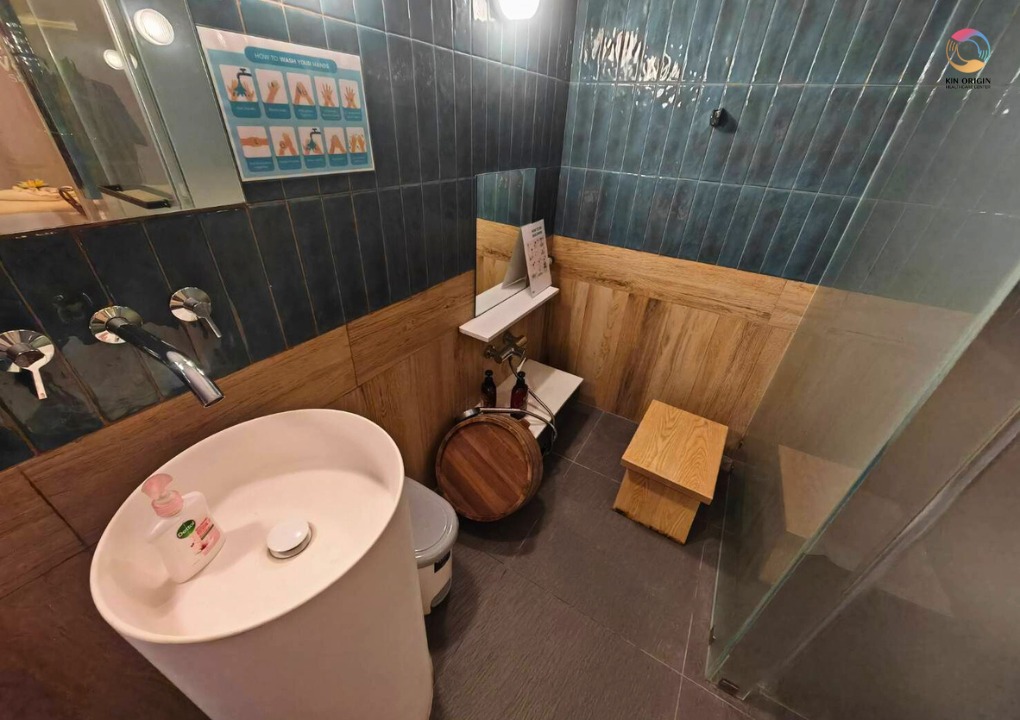
What Is Aroma Therapy?
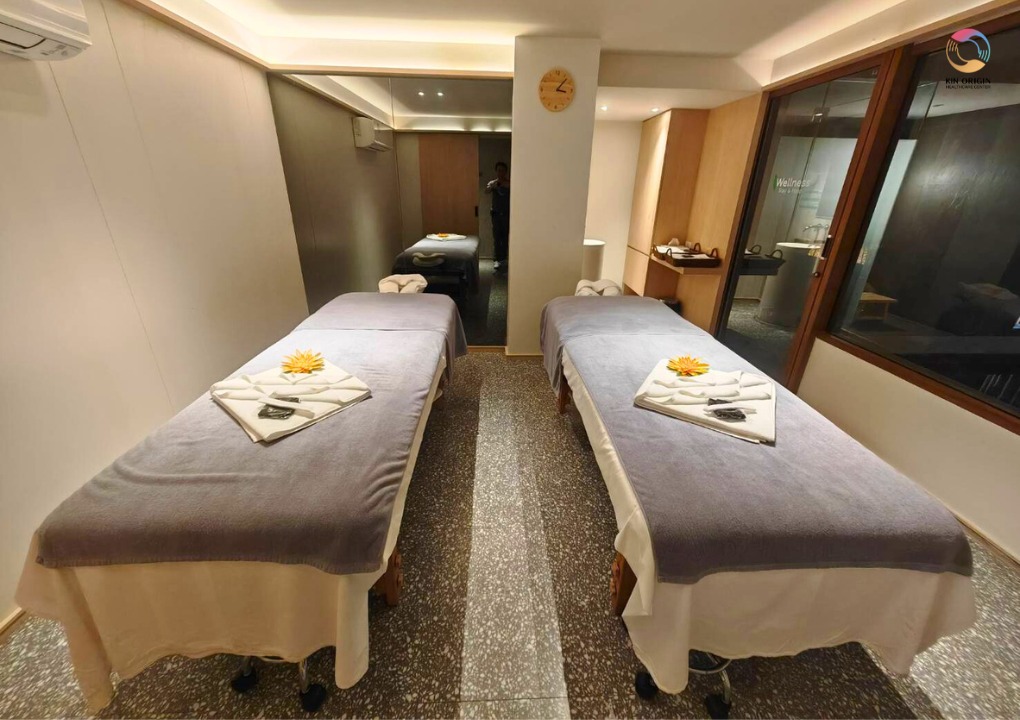
Aroma Therapy is a massage practice with a history spanning thousands of years, from ancient Egypt through Greek, Roman, and Chinese traditions to the present day. It usesessential oilsextracted from plants and applied during massage to support circulation and muscle relaxation. Aromas may influence the nervous system through inhalation, while diluted oils may also be absorbed through the skin.
| Benefit | How It May Work |
|---|---|
| Relaxation and Stress Reduction | Essential oils stimulate the olfactory system, sending signals to the limbic system involved in emotion and stress regulation. Some studies suggest this may help reduce perceived stress and cortisol levels. |
| Helps Relieve Muscle Pain | Diluted oils applied during massage may help relax tight muscles and reduce discomfort fromOffice Syndrome back, neck, and shoulder pain. |
| Supports Circulation and Lymphatic Flow | Massage techniques may support lymphatic flow and circulation. Claims of “detoxification” should be understood as supporting the body’s natural elimination processes. |
| Smoother-Feeling Skin | Massage may help remove surface dead skin cells, while botanical oils can moisturize and condition the skin. |
| Better Sleep | Lavender and chamomile may support parasympathetic activity and relaxation, which can help some people fall asleep more easily (Lillehei & Halcon, 2014). |
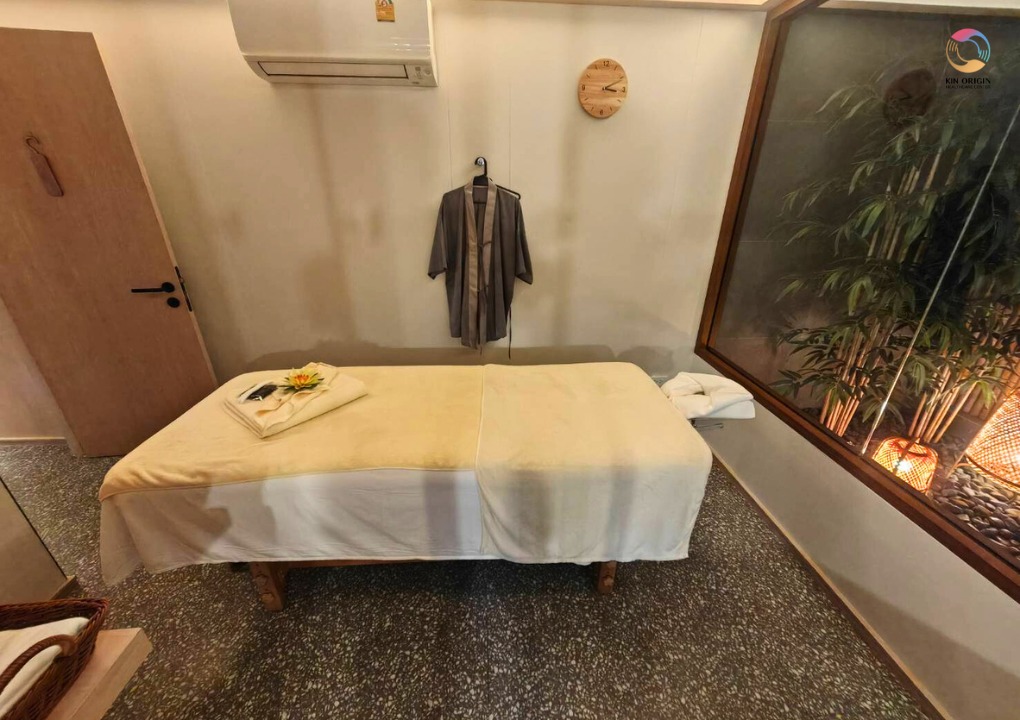
Research Evidence
| Study | Findings |
|---|---|
| Mooventhan & Nivethitha (NAJMS 2014) | A systematic review reported that hydrotherapy may help reduce pain, support circulation, and influence blood pressure and immune responses. |
| Goto et al. (Jpn Heart J 2003) | Repeated thermal therapy was associated with improved endothelial function and symptom relief in people with chronic heart failure. |
| Lillehei & Halcon (J Alt Complement Med 2014) | Lavender aromatherapy was associated with improved sleep in several studies and generally showed a favorable safety profile when used appropriately. |
| Karadag et al. (Holist Nurs Pract 2017) | Aromatherapy massage was associated with reduced pain and anxiety in postoperative patients. |
| Antonelli & Donelli (Int J Prev Med 2012) | Balneotherapy has been studied for joint pain, osteoarthritis, and selected skin conditions, with benefits varying by individual and treatment setting. |
Precautions and Recommendations
| Topic | Details |
|---|---|
| Temperature and Duration | Soak for 10–15 minutes per round at 39–42°C. Use short rounds, rest between rounds, and drink enough water. |
| Who Should Avoid or Seek Medical Advice | People with heart disease, unstable blood pressure, pregnancy in the first or third trimester, open wounds, or active skin inflammation should consult a physician before use. |
| Before an Onsen Bath | Avoid alcohol, shower before entering the bath, and drink water before and after soaking. |
| Aroma Oils | Perform a patch test before use and inform the therapist if you have sensitive skin, allergies, or a skin condition. |
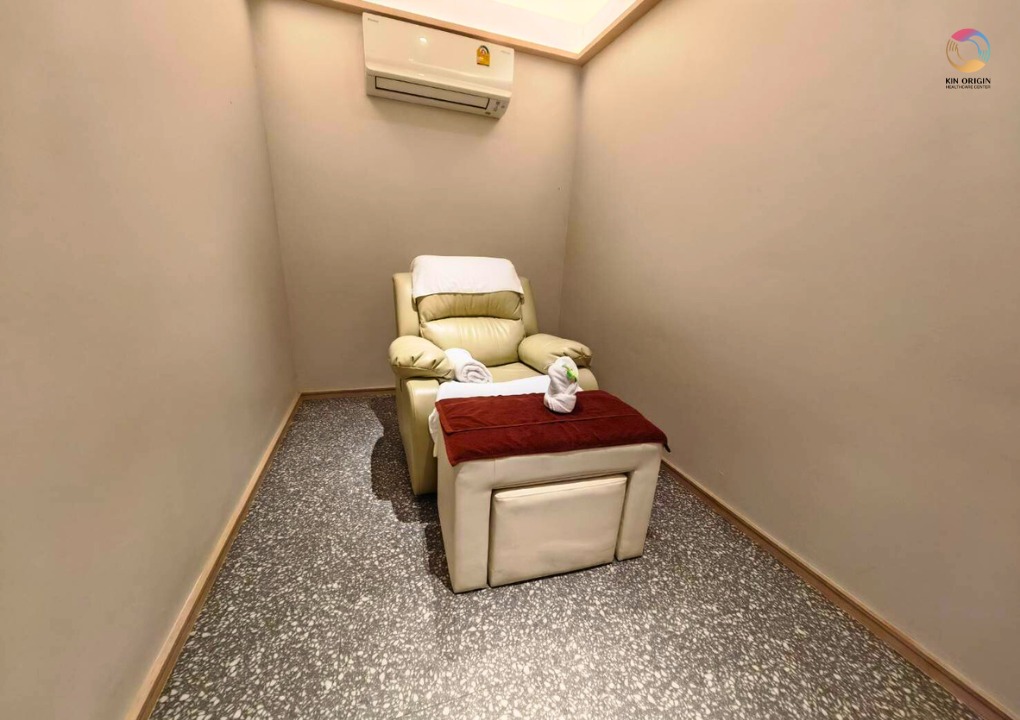
Book Onsen & Aroma Therapy
KIN Origin Healthcare
Bearing, Sukhumvit 107


Related Services
.png)
.jpeg)

Content by: KIN Rehabilitation & Homecare Academic Team
References: Mooventhan & Nivethitha (NAJMS 2014), Goto et al. (Jpn Heart J 2003), Lillehei & Halcon (JACM 2014), Karadag et al. (HNP 2017), Antonelli & Donelli (IJPM 2012)
Last updated: 2026
Frequently Asked Questions — Onsen & Aroma Therapy
What may Onsen help with?
It may support circulation, relax muscles, and help relieveOffice Syndrome It may also support better sleep and smoother-looking skin from mineral exposure. Results vary by individual.
How long should an Onsen bath last, and at what temperature?
We generally recommend 10–15 minutes per round at 39–42°C, with short breaks between rounds and adequate hydration.
Who should avoid Onsen bathing?
People with heart disease, unstable blood pressure, pregnancy in the first or third trimester, open wounds, or active skin inflammation should consult a physician first.
How is Aroma Therapy different from a regular massage?
It uses plant-derived essential oils that work through both scent and skin contact. This may deepen relaxation compared with massage alone. Karadag et al. (2017) reported reduced pain and anxiety in postoperative patients.
Is there research supporting Onsen bathing?
Yes. Mooventhan & Nivethitha (2014) reviewed evidence on hydrotherapy, Goto et al. (2003) reported vascular benefits from repeated thermal therapy, and Antonelli & Donelli (2012) reviewed balneotherapy for osteoarthritis and related conditions.
Where can I book KIN Onsen or Aroma Therapy?
The service is available atKIN Origin Bearing, Sukhumvit 107 Book via LINE @KINORIGIN (lin.ee/AB1DkvQ) or call 065-909-2599. Open daily from 08:00 to 19:00.