
KIN Stroke Clinic | Screening, Prevention, Stroke Rehabilitation, TMS, Bangkok, Pattaya, Sam Phran
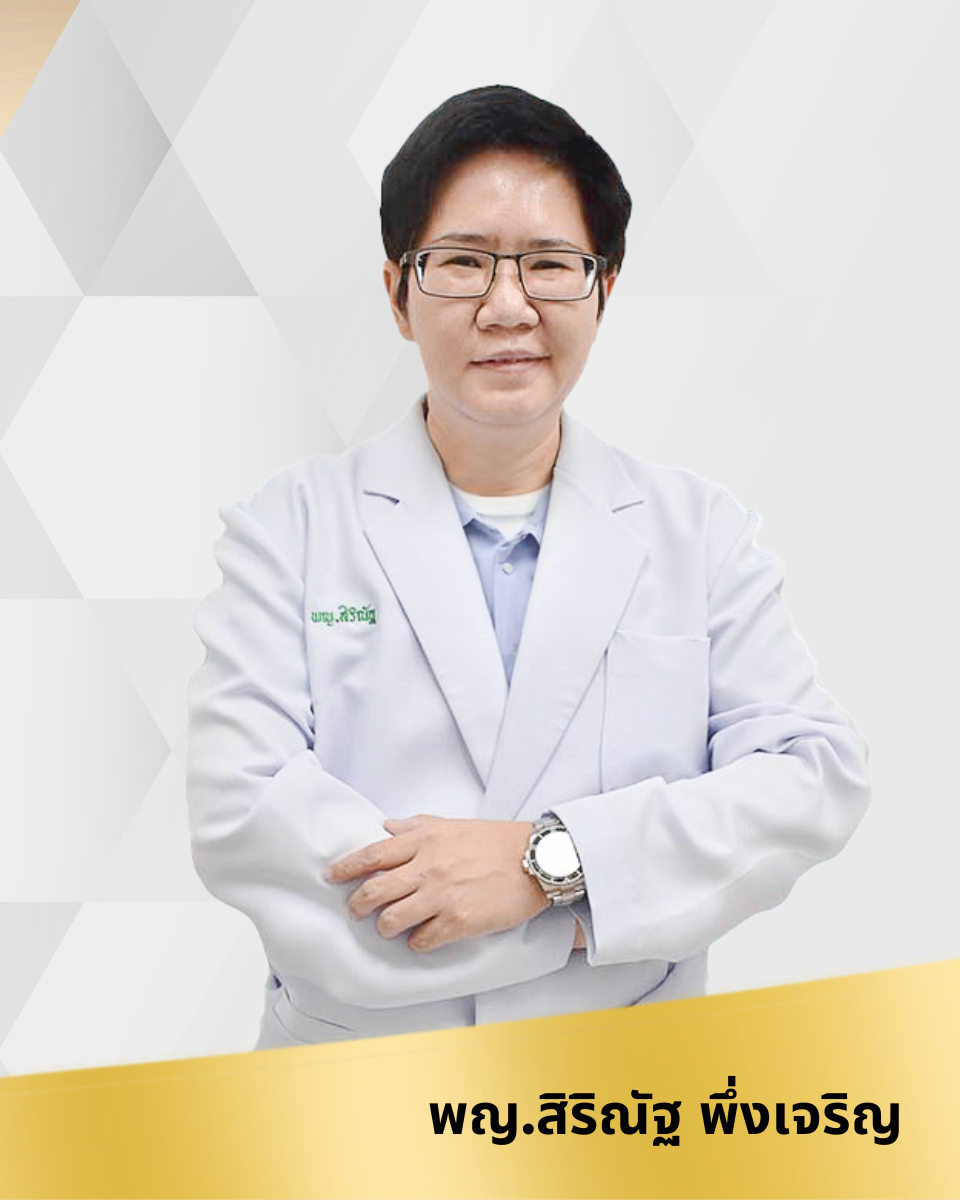
Dr. Sirinat Phuengcharoen
Specialist in Internal Medicine, Brain and Neurological Disorders (Neurologist)
✦ Personalized brain health consultation and care planning (Personal Health Consultation)
✦ Biomolecular-level health analysis (Lab Investigation)
✦ Personalized immune support with tailored vitamins (IV Vitamin Therapy)
✦ Individual treatment programs for brain, nerve, and muscle rehabilitation (Individual Treatment Program)
✦ Brain stimulation with TMS (Transcranial Magnetic Stimulation)
Consult a Stroke Clinic Specialist (Free)
Ladprao 71 Branch


Bearing Branch
(Sukhumvit 107)
Ratchaphruek Branch
Pattaya Branch
What Is KIN Stroke Clinic? — A Specialty Clinic for Stroke Screening, Prevention, and Rehabilitation
KIN Stroke Clinic is a specialty clinic for stroke and neurological disorders, providing complete care from screening and diagnosis to rehabilitation and prevention of recurrent stroke. It was established by KIN Rehabilitation & Homecare in 2018. It now has 6 branches and 350+ staff members, led by neurologist Dr. Sirinat Phuengcharoen together with the KIN interdisciplinary team of 10+ disciplines.
Stroke is divided into 2 main types: Ischemic Stroke, found in 80% of all patients, and Hemorrhagic Stroke, found in 20%. Both types reduce blood and oxygen supply to the brain, leading to hemiparesis-paralysis, muscle weakness, difficulty speaking, and difficulty swallowing. The brain has the highest recovery potential during the first 3-6 months (Golden Period), so early rehabilitation is the most important factor.
What Is the Golden Period? — The Most Important 3-6 Months After Stroke
The Golden Period refers to the first 3-6 months after stroke, when the brain has the highest flexibility (Neuroplasticity) and nerve cells can form new connections most effectively. Research shows that patients who begin proper and consistent rehabilitation during this period have a significantly greater chance of recovery than those who delay.
KIN Stroke Clinic emphasizes rehabilitation during the Golden Period by combining medication, vitamins (IV Vitamin Therapy), chelation therapy, oxygen therapy, and TMS together with daily physical therapy, occupational therapy, and speech therapy. Internal 2025 statistics show that 78% of stroke patients at KIN regained walking ability within 3 months.
Even after the Golden Period has passed, the brain still retains Neuroplasticity. Rehabilitation with TMS combined with continued physical therapy can still provide good results. The KIN medical team will assess each patient and design the most appropriate program for their condition.
What Is TMS? — Electromagnetic Brain Stimulation to Accelerate Stroke Recovery
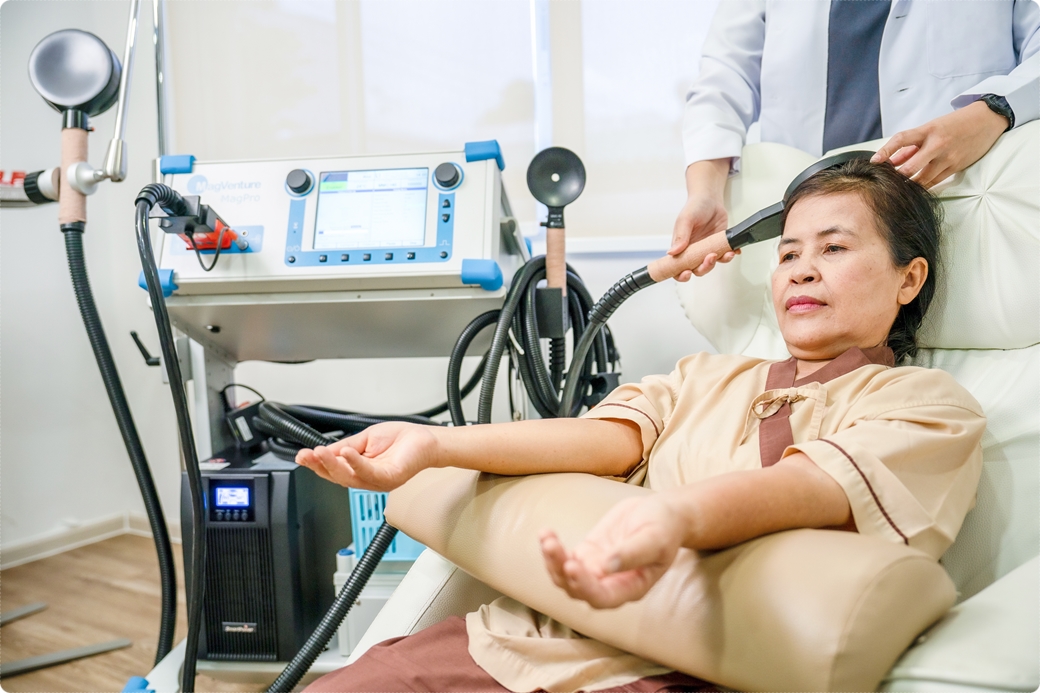
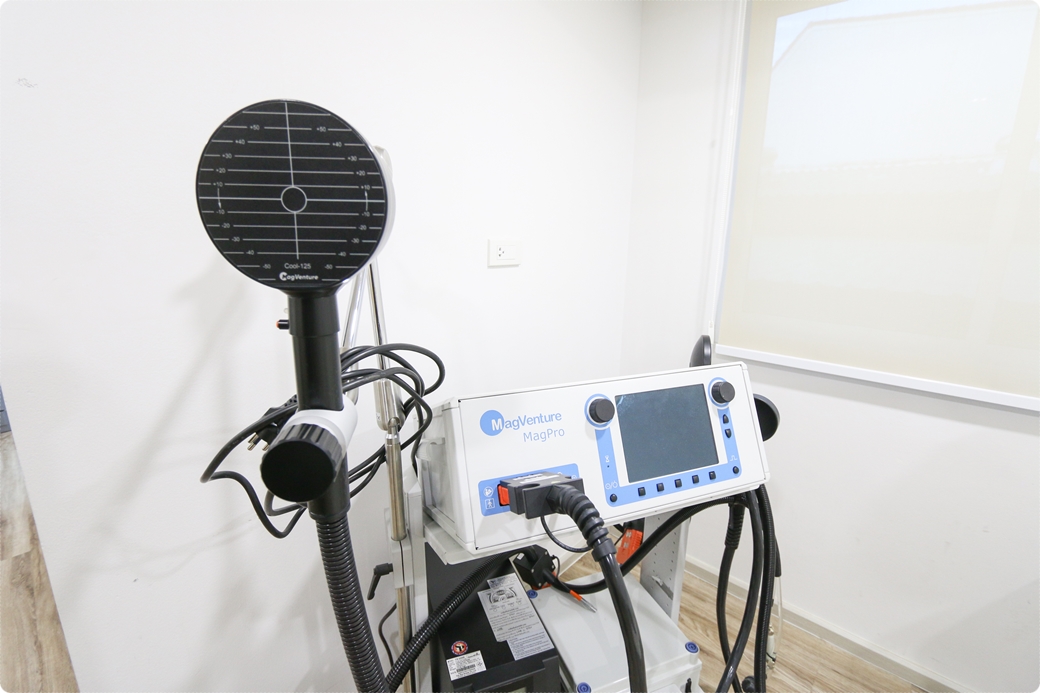
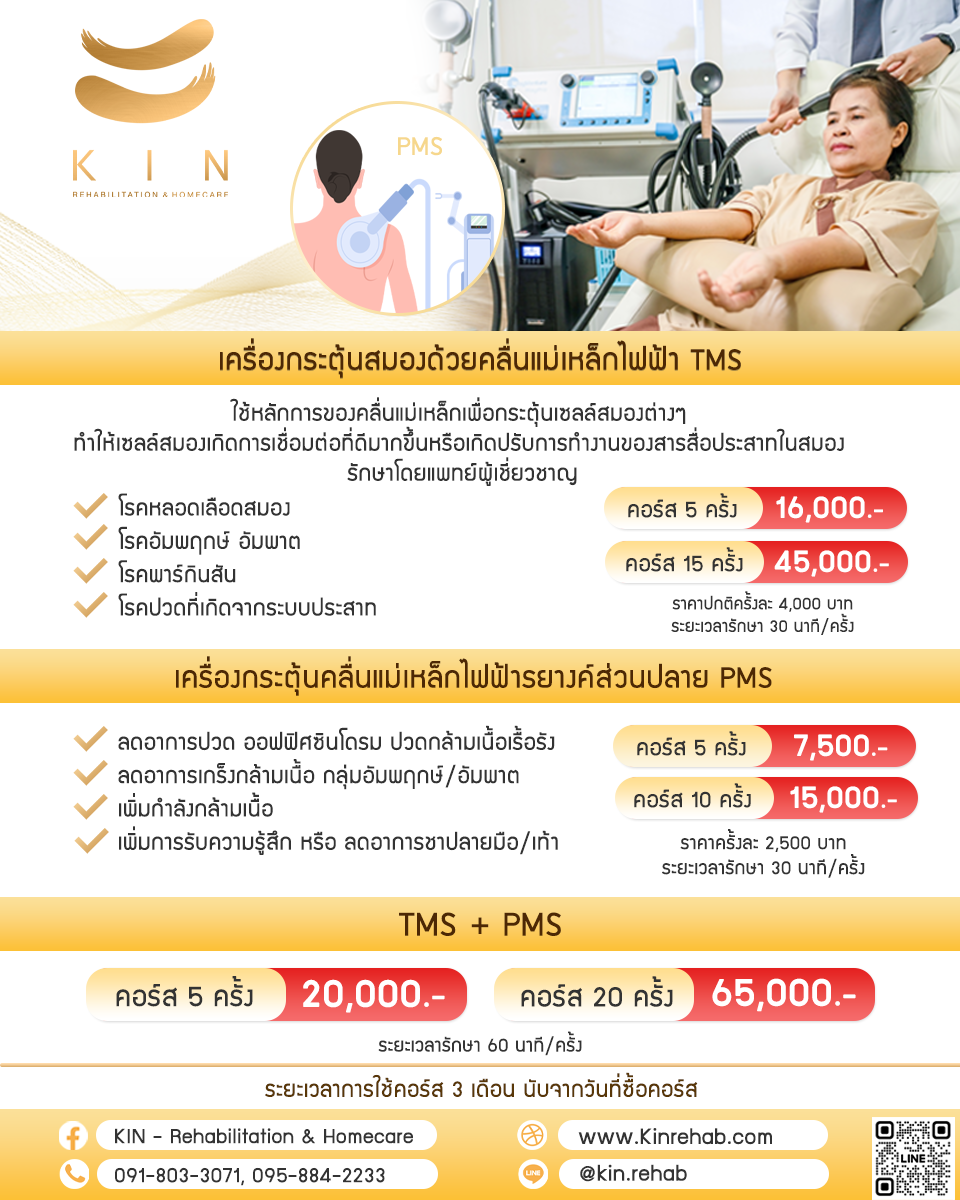
TMS (Transcranial Magnetic Stimulation) is a technology that stimulates the brain with electromagnetic waves from outside the body. It does not require surgery, is painless, and does not require hospitalization. Each session takes 20-40 minutes. The principle is to send electromagnetic waves to stimulate the affected side of the brain, or inhibit the opposite side to restore balance, accelerate new nerve cell connections (Neuroplasticity), improve muscle movement, and reduce spasticity.
Research shows that after 6 months of rehabilitation, about 30% of stroke patients still cannot walk independently. TMS is therefore an important option that can further accelerate recovery beyond physical therapy alone. KIN provides both TMS for brain stimulation (Transcranial) and PMS (Peripheral Magnetic Stimulation) for arm and leg muscles.
| Item | TMS (Brain) | PMS (Peripheral Nerves) |
|---|---|---|
| Principle | Magnetic waves directly stimulate the brain and accelerate Neuroplasticity | Magnetic stimulation of peripheral muscles to reduce spasticity and increase strength |
| Location | Head | Arms, legs, target muscles |
| Pain | Painless, may feel slight twitching | Painless, may feel muscle twitching |
| Duration / Session | 20-40 minutes | 15-30 minutes |
| Suitable For | stroke, dementia, depression, chronic pain | Muscle weakness, spasticity, arm-leg paresis |
All Services at KIN Stroke Clinic
KIN Stroke Clinic provides 8 comprehensive services, from screening to recurrent stroke prevention. Every service is supervised by neurology specialists and an interdisciplinary team.
| Service | Details |
|---|---|
| Stroke Screening | Blood tests, cholesterol, glucose, blood pressure, and individual stroke risk assessment |
| Hemiparesis-Paralysis Rehabilitation | Daily physical therapy, occupational therapy, speech therapy, gait training, swallowing training, and speech training |
| TMS Brain Stimulation | Electromagnetic waves stimulate Neuroplasticity, painless, no admission required |
| PMS Muscle Stimulation | Magnetic stimulation of peripheral nerves to reduce spasticity and increase arm-leg muscle strength |
| IV Vitamin Therapy | Personalized intravenous vitamins to support immunity and nourish the nervous system |
| Chelation Therapy | Chelation therapy to remove heavy metals and toxins and reduce vascular inflammation |
| Recurrent Stroke Prevention Planning | Medication adjustment, risk factor control (blood pressure, diabetes, lipids), and regular follow-up |
| Dementia and Parkinson’s Care | Diagnosis, rehabilitation, brain stimulation activities, Brain Booster |
Comparison: KIN Stroke Clinic vs General Hospital vs General Physical Therapy Clinic
KIN Stroke Clinic stands out for its complete interdisciplinary team, TMS technology that many hospitals and general clinics do not have, and residential options for continued rehabilitation.
| Criteria | KIN Stroke Clinic | General Hospital | General Physical Therapy Clinic |
|---|---|---|---|
| Neurologist | ✓ Specialty-based | ✓ Appointment required | ✗ None |
| TMS Brain Stimulation | ✓ TMS+PMS | Some hospitals | ✗ None |
| Complete Interdisciplinary Team | ✓ 10+ disciplines | ✓ Separate departments | PT only |
| Daily Physical Therapy | ✓ PT/OT daily | 2-3 times/week | 1-3 times/week |
| Residential Rehabilitation Stay | ✓ Nursing Home | ✗ Must discharge | ✗ None |
| Referral to HomeCare | ✓ | ✗ | ✗ |
How to Receive Care at KIN Stroke Clinic — 5 Steps
Start with a free consultation. It takes 30-60 minutes. A specialist physician assesses the symptoms and creates a personalized treatment plan. Treatment can begin immediately.
| Step | Topic | Details |
|---|---|---|
| 1 | Book a Free Physician Consultation | Call 091-803-3071 or LINE @Kinrehab and provide the initial symptoms |
| 2 | Physician Symptom Assessment | The neurologist examines the symptoms, reviews CT/MRI results, and analyzes severity in 30-60 minutes |
| 3 | Personalized Treatment Planning | A customized program is designed with TMS + physical therapy + occupational therapy + medications/vitamins according to the patient’s condition |
| 4 | Begin Treatment | Rehabilitation can begin immediately, either as outpatient care or with admission to the Nursing Home |
| 5 | Follow-Up and Recurrent Prevention | Progress is evaluated regularly, the plan is adjusted, and long-term recurrent stroke prevention is planned |
KIN Stroke Clinic, 6 Branches in Bangkok, Pattaya, and Sam Phran
6 branches: Ladprao 71 (Nakniwat 18) | Bearing (Sukhumvit 107) | Ratchaphruek (Nonthaburi) | Pattaya (Chonburi) | Ramkhamhaeng 24 | Salaya. Open Mon-Sun 08:00-18:00
Frequently Asked Questions — KIN Stroke Clinic
Answered by the KIN Stroke Clinic neurology specialist team
How is KIN Stroke Clinic different from a general hospital?
KIN specializes specifically in stroke rehabilitation, with an interdisciplinary team of 10+ disciplines, TMS+PMS equipment that most general hospitals do not have, and residential rehabilitation care that allows daily physical therapy, which is a key factor in recovery
What is the Golden Period, and how important is it?
The Golden Period is the first 3-6 months after stroke, when the brain has the highest Neuroplasticity. Patients who begin rehabilitation during this period have a significantly greater chance of recovery than those who delay.
Is TMS painful? Is hospitalization required?
TMS is painless. There may be slight muscle twitching. No hospitalization is required. It can be done as outpatient treatment, with each session taking 20-40 minutes.
Can I still receive rehabilitation at KIN after the Golden Period has passed?
Yes. Even after the Golden Period, the brain still retains Neuroplasticity. TMS combined with continued physical therapy can still provide good results. The KIN medical team will assess the patient and design an individualized program.
How many KIN Stroke Clinic branches are there, and where are they located?
6 branches: Ladprao 71 Bearing (Sukhumvit 107) Ratchaphruek Pattaya Ramkhamhaeng 24 Salaya, covering Bangkok, Nonthaburi, Nakhon Pathom, and Chonburi, open Mon-Sun 08:00-18:00
Does KIN provide home rehabilitation services (HomeCare) as well?
Yes. KIN HomeCare can send physical therapists to the home, home visiting nurses, and 24-hour caregivers. Call 084-993-6988
How can I book a consultation with a KIN Stroke Clinic physician?
Call 091-803-3071 (Ladprao/Ramkhamhaeng/Salaya) | 082-361-9119 (Bearing) | 065-384-5494 (Ratchaphruek) | 082-213-9976 (Pattaya) or LINE @Kinrehab for a free consultation and assessment appointment
Branches: Ladprao · Bearing · Ratchaphruek · Pattaya | Promotions: Rehabilitation Promotion · 7-Day Trial · Reviews · Contact
Content by: Dr. Sirinat Phuengcharoen, specialist in internal medicine and neurology, and the KIN academic team | Reviewed by Dr. Thongchai Chokthanomsap | Updated: March 2026
Information is for general educational purposes only and is not individualized medical advice | Contact Us