
Scoliosis in Children and Adults
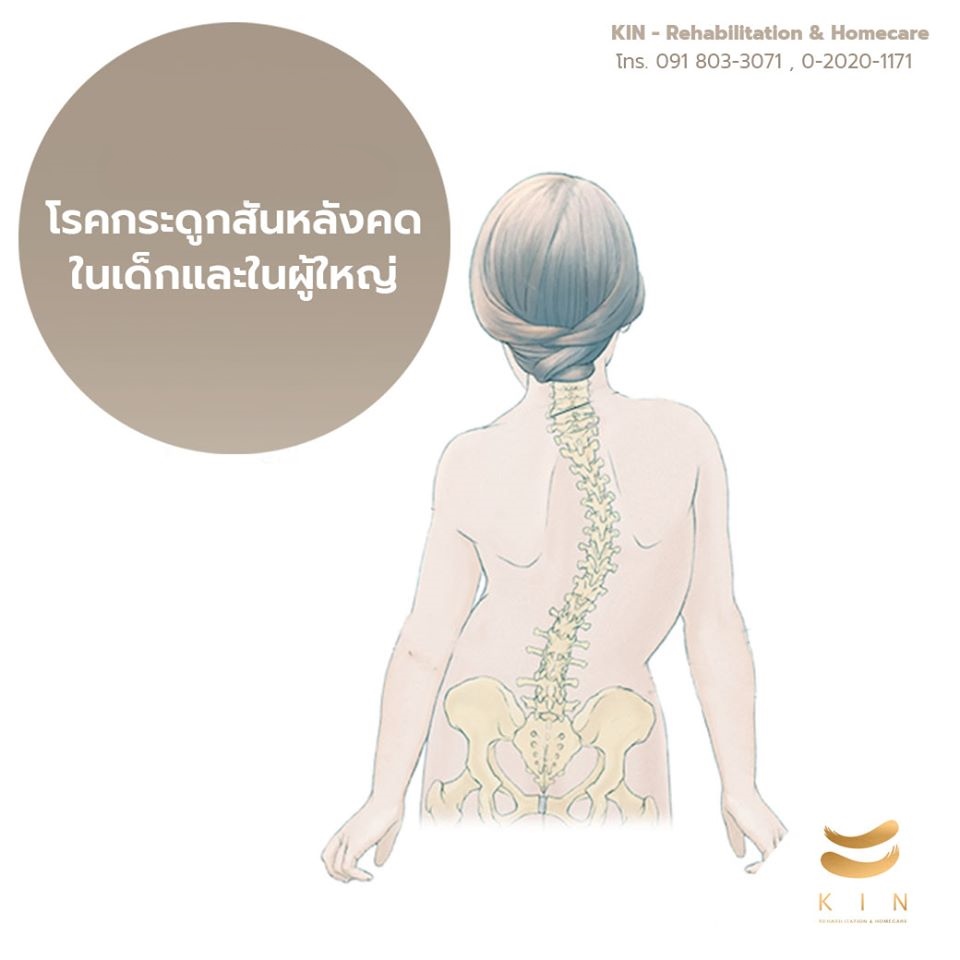
Causes of Scoliosis
Approximately 20% of cases are associated with abnormalities in the development of the spine, nervous system, bones, or muscles, such as:
- Congenital Scoliosis, caused by abnormal spinal development in the fetus during pregnancy.
- Neuromuscular Scoliosis, associated with neurological or muscular disorders, such as abnormal muscle enlargement or spinal muscular atrophy.
Approximately 80% of cases have no clearly identified cause, although posture, behavior, and body-use patterns may contribute.
- Idiopathic Scoliosis may be associated with unequal leg length, where one leg is shorter than the other. It can occur at different ages, including:
- Infantile Idiopathic Scoliosis: occurs before 3 years of age.
- Juvenile Idiopathic Scoliosis: occurs between 4 and 10 years of age.
- Adolescent Idiopathic Scoliosis: occurs between 10 and 18 years of age and is the most common form.
- Functional Scoliosis results from abnormalities elsewhere in the body, such as unequal leg length, muscle spasm, or injury.
- Degenerative Lumbar Scoliosis is commonly found in adults or older people and results from long-term degenerative changes in the spine.
Symptoms and Course of Scoliosis
The symptoms and severity of scoliosis vary from person to person. Initial signs may include:
- Uneven shoulder height.
- Uneven prominence of the back or chest.
- A visibly curved spine.
- The trunk leaning to one side.
- Uneven hip height.
- Other symptoms may include back pain, abdominal pain, rib pain, or muscle tightness. Severe scoliosis may affect heart and lung function, causing easy fatigue, chest pain, or difficulty breathing.
Treatment
- Self-Care
- Perform suitable exercises with correct technique.
- Use pain relievers such as paracetamol when appropriate to relieve pain.
- Physical Therapy
- Training in appropriate posture for daily activities, sitting, sleeping, and balance.
- Breathing exercises to improve lung function.
- Specialized therapeutic exercises may help improve spinal alignment or bring it as close to normal as possible. Treatment should be individualized and provided by a physical therapist with specific training in scoliosis management.
- Medical Treatment
- A spinal brace may be recommended for children who are still growing or who have moderate scoliosis.
- Wearing a brace can help prevent further progression of the spinal curve.
- Spinal Fusion may be considered for severe or progressive scoliosis. The surgeon joins small sections of the spine using bone grafts or bone-like materials together with rods, hooks, and screws to reduce the curve and prevent further progression.
- Treatment Based on the Underlying Cause
Some types of scoliosis may result from spinal-cord abnormalities, infection, or bone tumors. Treating the underlying cause may improve the spinal curvature.
Preventing Progression or Recurrence
Adjust daily habits, avoid postures that may worsen spinal imbalance, and regularly observe changes in body alignment.


Contact Us
For inquiries and updates, follow KIN - Rehabilitation & Homecare.

Line
@Kinrehab

Call
091-803-3071
Call
095-884-2233