Stroke
Causes of Stroke
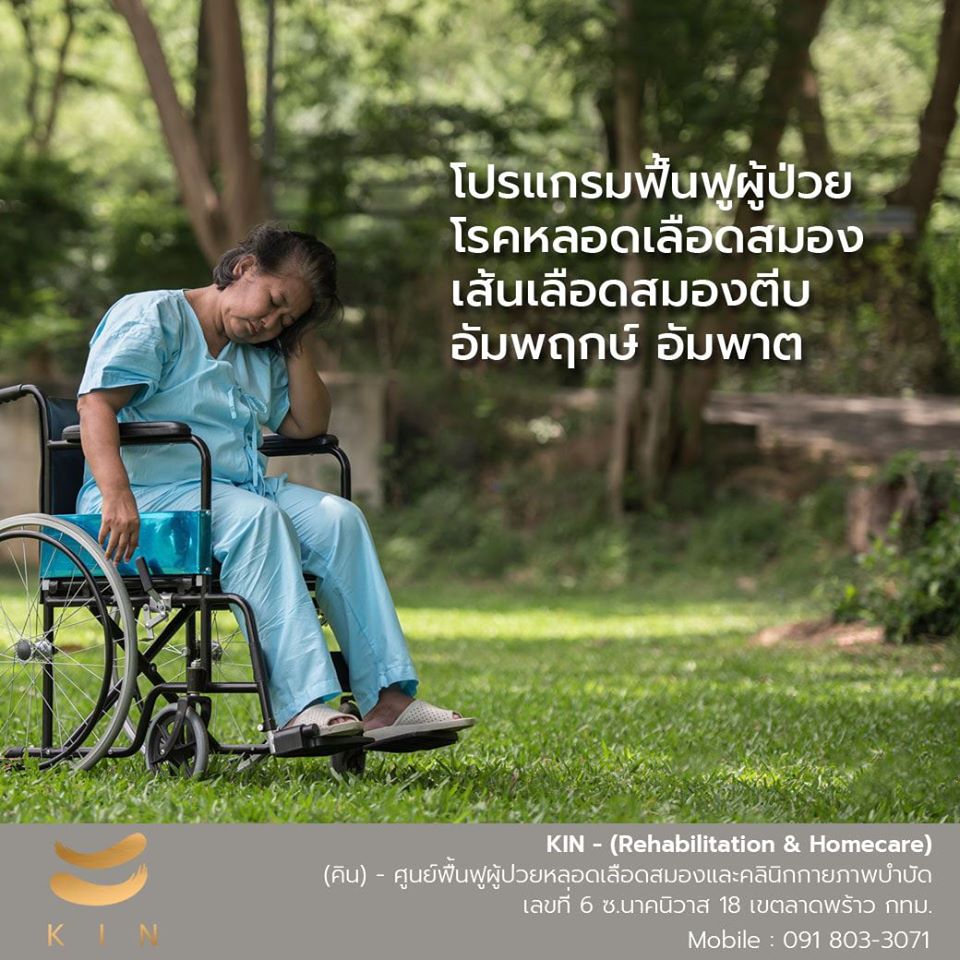
Stroke is caused by abnormalities in the brain’s blood vessels that reduce or interrupt blood flow to the brain. It is divided into two main types:
- Ischemic stroke, caused by a narrowed or blocked blood vessel, accounts for approximately 80% of cases.
- Hemorrhagic stroke, caused by a ruptured blood vessel, accounts for approximately 20% of cases.
Stroke Risk Factors
Non-Modifiable Risk Factors
- Age: As people grow older, blood vessels may deteriorate, thicken, and harden because of fatty and calcium deposits.
- Sex: Men have a higher risk than women.
- Abnormally increased blood clotting.
Modifiable Risk Factors
- High Blood Pressure is the most important risk factor for stroke.
- Diabetes can cause hardening of blood vessels throughout the body. When cerebral vessels are affected, stroke risk may be two to three times higher than in people without diabetes.
- High Blood Lipids Fatty deposits accumulate along blood-vessel walls and obstruct blood flow.
- Heart Disease such as valvular heart disease or arrhythmia can cause blood clots that block cerebral blood vessels.
- Smoking Smoking promotes hardening of the arteries and increases the risk of stroke.
- Oral Contraceptives
- Syphilis It can cause inflammation and hardening of blood vessels.
- Physical Inactivity
Symptoms and Course of Stroke
When the brain does not receive enough blood, it cannot function normally. Symptoms vary according to the severity and location of brain damage and may include:
- Numbness or weakness of the face and/or one side of the body.
- Slurred speech, facial asymmetry, drooping at one corner of the mouth, drooling, or difficulty swallowing.
- A sudden headache or dizziness.
- Sudden blurred vision, double vision, loss of half the visual field, or blindness in one eye.
- Unsteady walking or difficulty maintaining balance.
These symptoms often occur suddenly. In a transient ischemic attack (TIA), warning signs may appear briefly and resolve on their own, or may recur before a permanent stroke occurs. Any suspected stroke symptoms require immediate medical attention because stroke is a medical emergency that can be fatal or cause paralysis, long-term disability, loss of independence, and the need for prolonged rehabilitation.
Treatment
- Self-Care
Exercise and practice as advised by the physical therapist, eat a balanced diet, avoid foods high in fat, sugar, and salt, take prescribed medication consistently, and participate in stress-relieving activities such as listening to music, meditating, reading, or traveling.
- Physical Therapy and Rehabilitation
- Increase muscle strength.
- Improve flexibility and reduce spasticity.
- Train muscle and joint coordination.
- Balance training.
- Gait training.
- Hand-function training.
- Prevent complications such as joint contractures, pressure injuries, spasticity, lung infections, orthostatic hypotension, and osteoporosis.
Preventing Recurrent Stroke
- Control risk factors that contribute to narrowing, blockage, or rupture of blood vessels, including high blood pressure, heart disease, diabetes, high blood lipids, smoking, and physical inactivity.
- Have regular annual health checkups. If risk factors for narrowed, blocked, or ruptured blood vessels are found, follow the physician’s treatment plan and take medication consistently. Do not stop medication without medical advice, and seek immediate care if abnormal symptoms occur.
- Keep blood pressure, blood lipids, and blood glucose within recommended ranges. Maintain a balanced diet and limit salty, sugary, and fatty foods.
- Exercise regularly for at least 30 minutes per day, three days per week, and maintain an appropriate body weight.
- Stop smoking and avoid alcoholic beverages.
If warning signs suggest a temporary reduction in blood flow to the brain, seek medical care immediately even if the symptoms resolve. After an ischemic stroke, physicians may prescribe medication to reduce the risk of recurrence. These medicines require regular follow-up and must be used strictly under medical supervision, because incorrect use, missed monitoring, or negligence may cause severe and potentially life-threatening complications.
Contact Us
For inquiries and updates, follow KIN - Rehabilitation & Homecare.
Line
@Kinrehab
Call
091-803-3071
Call
095-884-2233